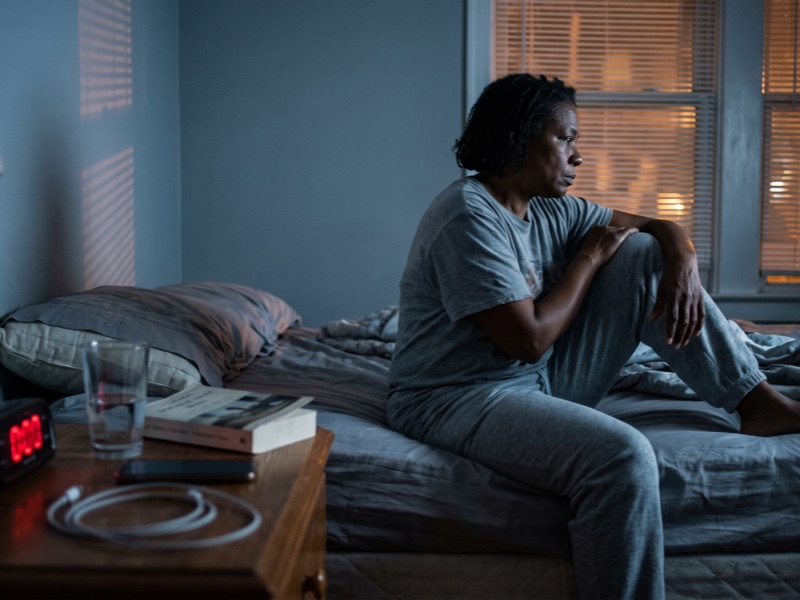
Why you wake up at 3 a.m., and what to eat before bed
Blood sugar dips, cortisol answers, you're awake. How to read the pattern and the two dinner changes that quiet it.
The extra hour is easy on paper. For early risers, parents of toddlers and night-shift workers it often means 5 a.m. wake-ups and 4:50 p.m. sunsets. A 20-minutes-a-night shift that starts Thursday handles most of it.

On Sunday morning your phone will say 6:00 and your body will insist it is 7:00. For many people that is the best morning of the year. For others it starts a week of 5 a.m. wake-ups and drives home in the dark.
Daylight saving time ends at 2:00 a.m. on Sunday, November 1, when clocks fall back to 1:00 a.m. (Hawaii and most of Arizona sit it out.) In New York, sunset jumps from about 5:50 p.m. on Saturday to about 4:50 p.m. on Sunday. Whether your body cashes in the extra hour depends on who you are, and on the three days before.
Your master clock, a small cluster of cells deep in the brain, resets itself mainly by light. When the wall clock jumps back, the inner one stays put. For a few days you are effectively living one time zone west: sleepy an hour early by the new clock, and awake an hour early too.
West is the easier direction, which is why fall is gentler than spring. The American Academy of Sleep Medicine (AASM) estimates that a time change takes about five to seven days to wear off. The trouble is people whose clocks already run early.
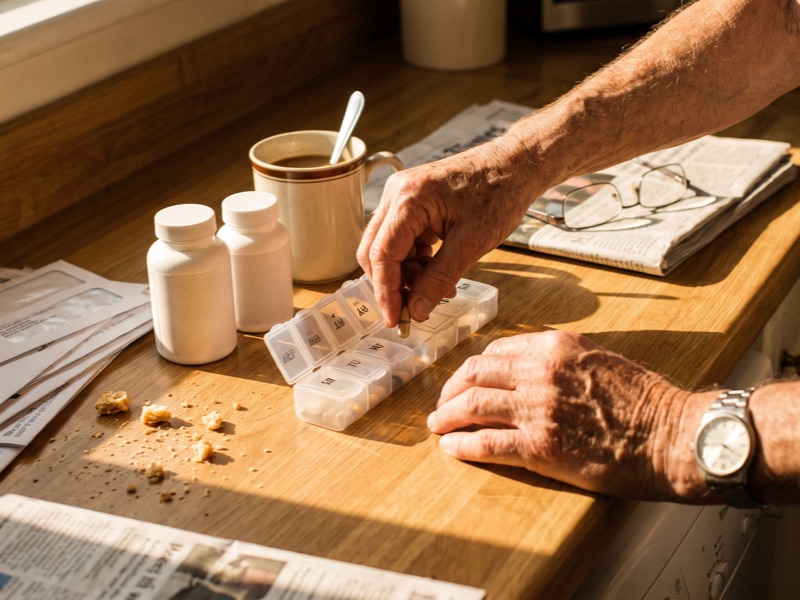
Older adults and natural early risers. With age, many people get sleepy earlier and wake earlier. After Sunday, the 5:30 wake-up shows up at 4:30 on the clock, and the 9 p.m. yawn arrives at 8.
Parents of young kids. The American Academy of Pediatrics notes that the fall change can make younger kids crash before bedtime and wake earlier than usual, so the toddler who rose at 6:30 now rises at 5:30, and so do you. The AAP expects most kids to adjust within about a week. This year Saturday is Halloween, so the night of the switch is also the night of the candy haul.
Shift workers. Saturday's night shift often runs an hour longer, because 1 a.m. happens twice, and the drive home lands in a brighter morning. Nap before it and protect the darkness after.
Night owls mostly get a free hour.
The AASM's standard advice is to shift bedtime and wake time in 15- to 20-minute steps over the two or three nights before a time change. It is written for spring; for fall, run it in reverse. Three nights at 20 minutes add up to the full hour.
If you normally sleep 10:30 to 6:30, go to bed at 10:50 on Thursday, 11:10 on Friday and 11:30 on Saturday, and move the alarm the same amount if your mornings allow. When the clocks go back at bedtime on Saturday, 11:30 becomes 10:30, and you wake on Sunday at 6:30 new time, already adjusted.
Light is the clock's strongest signal, and timing decides which way it pushes. Morning sunlight on the day of the change is part of the AASM's advice, so get outside within an hour of your usual wake time.
Early risers need a different emphasis. Bright light in the late afternoon nudges the clock later, the direction you want, while bright light at 5 a.m. locks in the early wake-up. Keep the bedroom dark until your target time and move the daily walk to 3 or 4 p.m.
Shift dinner along with bedtime, then eat Sunday's meals at their usual clock times. In a University of Surrey lab study of ten young men, moving meals five hours later shifted the daily blood-sugar rhythm by more than five hours.
Caffeine needs a harder stop. In a Henry Ford Hospital study, 400 mg of caffeine, roughly four cups of brewed coffee, still disrupted sleep when taken six hours before bed. After Sunday the afternoon slump comes an hour earlier by the clock, which is when the extra cup sneaks in. The CDC advises avoiding caffeine in the afternoon and evening.
Already short on sleep? The AASM's own fall advice is simpler: go to bed at your usual time on Saturday, set the clocks back just before lights out, wake at your usual time and keep the extra hour. The CDC says adults up to 60 need seven or more hours a night.
The morning after the switch is easy. It is the 4:50 sunsets that catch people.
In a Danish study of 185,419 hospital contacts for depression, the switch from summer time to standard time was followed by an 11 percent rise in new depressive episodes, which faded over about ten weeks. The spring change showed no such bump; the authors point to the sudden early sunset. It is an association in hospital-diagnosed cases: a signal, not a forecast.
The National Institute of Mental Health describes seasonal affective disorder as depression with a seasonal pattern, winter symptoms usually starting in late fall: oversleeping, carb cravings, pulling away from people. The light therapy it describes is a 10,000-lux light box for about 30 to 45 minutes a day, usually in the morning. If dark-season lows are familiar, raise it with a clinician now, not in February.
And the sleep doctors? The AASM wants to stop changing clocks and stay on standard time, the one we return to on Sunday, because its earlier morning light fits human biology best. In a 2023 survey for the academy, 64 percent of Americans backed ending seasonal time changes.
Not a ranking. Four products we would buy ourselves, in no particular order, each with the plus and one honest caveat.
The plus: a compact, UV-free LED panel rated up to 10,000 lux, small enough for a morning session at the breakfast table. The caveat: that rating applies close to the panel, and with an eye condition or light-sensitizing medication, ask your doctor first.
The plus: its color tells a toddler when it is OK to get up, and you can set that time a little later each day. The caveat: it teaches a rule rather than enforcing one, so it takes a child old enough to learn it and a consistent week or two.
The plus: adjustable eye cups that block light fully, useful when sunrise lands an hour earlier and for night-shift workers sleeping into the morning. The caveat: it is bulkier than a flat mask, and some side sleepers need a few nights to adjust.
The plus: the cheap option, a caffeine-free chamomile and spearmint blend to stand in for the afternoon coffee the time change makes so tempting. The caveat: there is no good evidence the tea itself makes you sleep; its job is simply not to be coffee.
The three-day plan is a sensible extrapolation, not a tested protocol. I could not find a trial comparing a gradual fall shift with simply taking the extra hour.
Meals are a supporting player: in the Surrey study, later meals did not move the master-clock markers, melatonin and cortisol. Evening light has limits too. In a small study of 15 adults aged 63 to 84 with long-standing trouble staying asleep, two hours of bright evening light pushed the body clock about 94 minutes later, yet sleep quality did not improve. A nudge for a one-hour shift, not a cure for chronic early waking.
We would skip anything sold as a time-change supplement. See a clinician if early waking comes with low mood that lasts for weeks, or if you are still exhausted two weeks after the switch.
This article is for general information and is not medical advice. It does not replace a consultation with a clinician who knows your history. Products are named because readers ask; we are not paid to name them unless a page says so. Editorial policy · Medical disclaimer
Blood sugar dips, cortisol answers, you're awake. How to read the pattern and the two dinner changes that quiet it.
A shelf audit with prices: what the trials support after 50, what they don't, and what a month of each actually costs.
Dose, form, water weight, kidneys: the questions readers ask most, answered from the studies rather than the label.