Why you wake up at 3 a.m., and what to eat before bed
The cortisol-sugar loop is the best-supported explanation for middle-of-the-night wake-ups. A small change at dinner interrupts it, and it has nothing to do with melatonin.
The cortisol-sugar loop is the best-supported explanation for middle-of-the-night wake-ups. A small change at dinner interrupts it, and it has nothing to do with melatonin.

I write for people who don't have time to read the studies but are tired of half-knowledge. Sources named, prices named, and a plain "not proven" when that is the honest answer.
The trial numbers, why timing matters more than distance, and how to fit three short walks into a normal workday.
Bone density, hearing, colon, eyes, skin, blood pressure, vaccines, strength. Eight appointments, one year, with what each one catches.
Why the first meal sets the day's hunger, what 30 grams looks like on a plate, and three breakfasts that get there without a shake.
Daylight saving time ends Sunday, November 1. Who feels it most, and the three-night plan that starts Thursday.
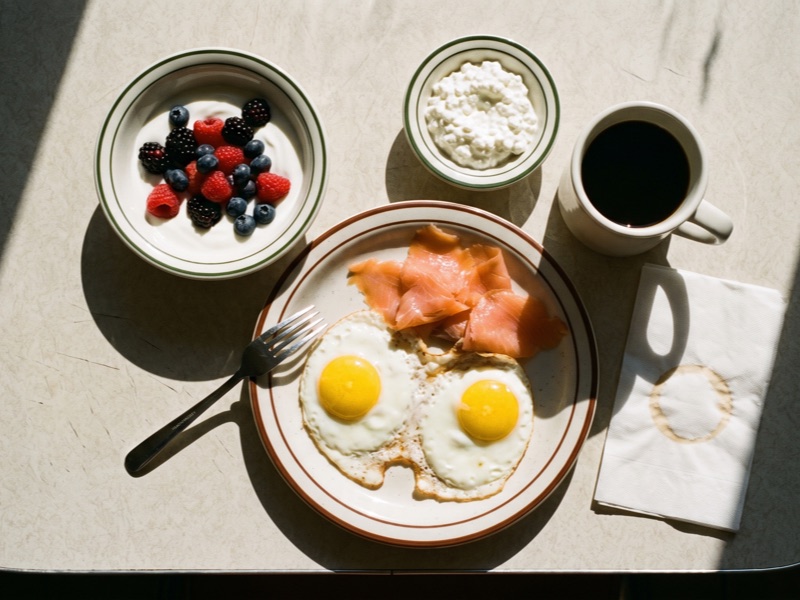
Blood sugar dips, cortisol answers, you're awake. How to read the pattern and the two dinner changes that quiet it.
Dose, form, water weight, kidneys: the questions readers ask most, answered from the studies rather than the label.
Why the first meal sets the day's hunger, what 30 grams looks like on a plate, and three breakfasts that get there without a shake.
Ingredients, routines and the honest gap between a claim and a study.
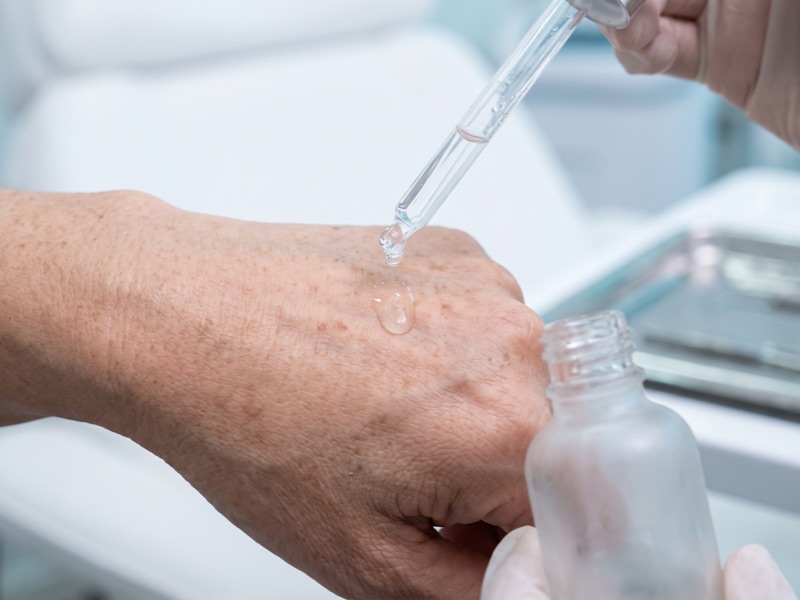
More Skin & Beauty →From Italian burn units to Seoul clinics to your bathroom shelf: what PDRN is, what it's shown to do, and what to expect topically.
The retinoid ladder explained in plain English, with the concentrations that matter and the products that actually list them.
A two-minute mirror test, what causes each, and which ingredients have evidence for which problem.
Oleic acid, stearic acid and the barrier question. What the trend gets right, what it ignores, and who should skip it.